
Critical Infrastructure
Airports, water and wastewater, tunnels, data halls and emergency services: redundant DC plant, monitored batteries and seamless changeover for protection, control and safety systems.
Explore industries →
Engineered DC UPS, battery chargers, converters and inverters for assets that cannot afford an outage — designed, built and supported in-house.

Asset owners who standardise their DC power platform receive prioritised engineering response, allocated stock for critical line items, documented obsolescence planning and scheduled battery capacity verification. It is how we keep substations, radio sites, hospitals and process plants running through the full 15–25 year asset lifecycle.
Request Priority Support DetailsEight core platforms cover 5 W board-level converters through to 3-phase, 400 A modular DC plants. Every family is available as a catalogue item, a re-rated variant, or a fully documented engineered-to-order system.
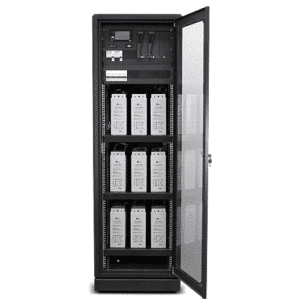
Rectifier, charger and seamless DC changeover in one enclosure for uninterrupted 12/24/48 V loads.
DIN rail & rack · 12–48 VDCSingle and three-phase switch-mode supplies with wide input range and high-efficiency conversion.
5 W – 20 kWFloat, boost and temperature-compensated profiles for lead-acid, NiCd and lithium banks.
Substation & process dutyIsolated and non-isolated step-up/step-down conversion, including rugged and MIL-grade options.
Isolated · Wide inputTrue sine-wave inverters for AC loads fed from a station battery or DC bus.
Pure sine · Parallel capableHot-swappable rectifier shelves, smart controllers and distribution for N+1 redundancy.
N+1 · DNP3 / Modbus / SNMPVRLA, AGM, gel, NiCd and LiFePO₄ banks sized against real autonomy and recharge targets.
Autonomy engineeredIndustrial AC UPS and static transfer equipment for control rooms and instrumentation.
On-line double conversion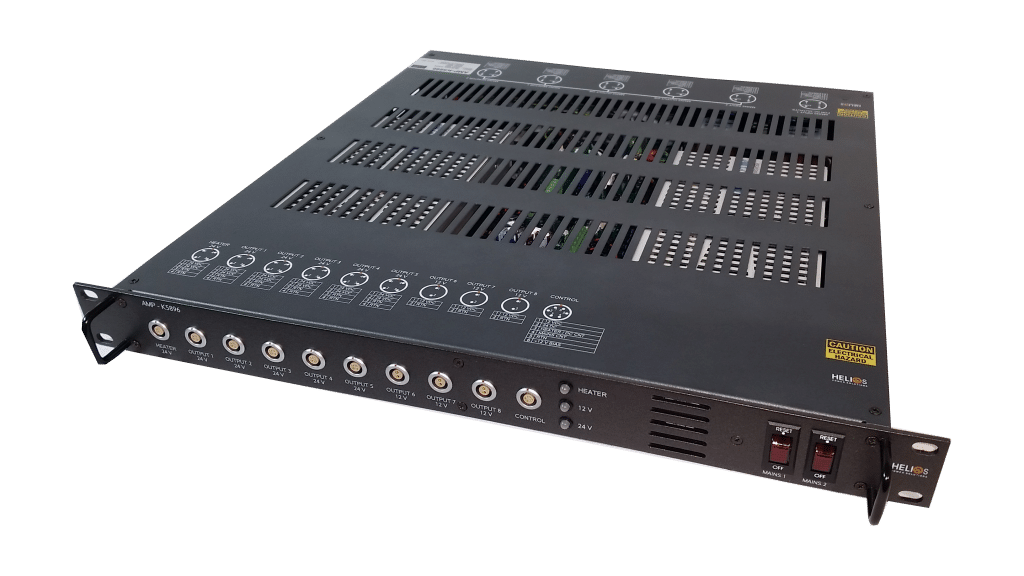 Over 50% of shipped systems are engineered to a customer specification
Most power failures in the field are not component failures — they are specification mismatches: an ambient that exceeds the derating curve, a battery that cannot recharge inside the required window, or an alarm map the SCADA system cannot read. Our engineering teams close those gaps before the system ships.
Each sector brings its own standards, approval path and maintenance reality. We build to those constraints — not around them.
Airports, water and wastewater, tunnels, data halls and emergency services: redundant DC plant, monitored batteries and seamless changeover for protection, control and safety systems.
Explore industries →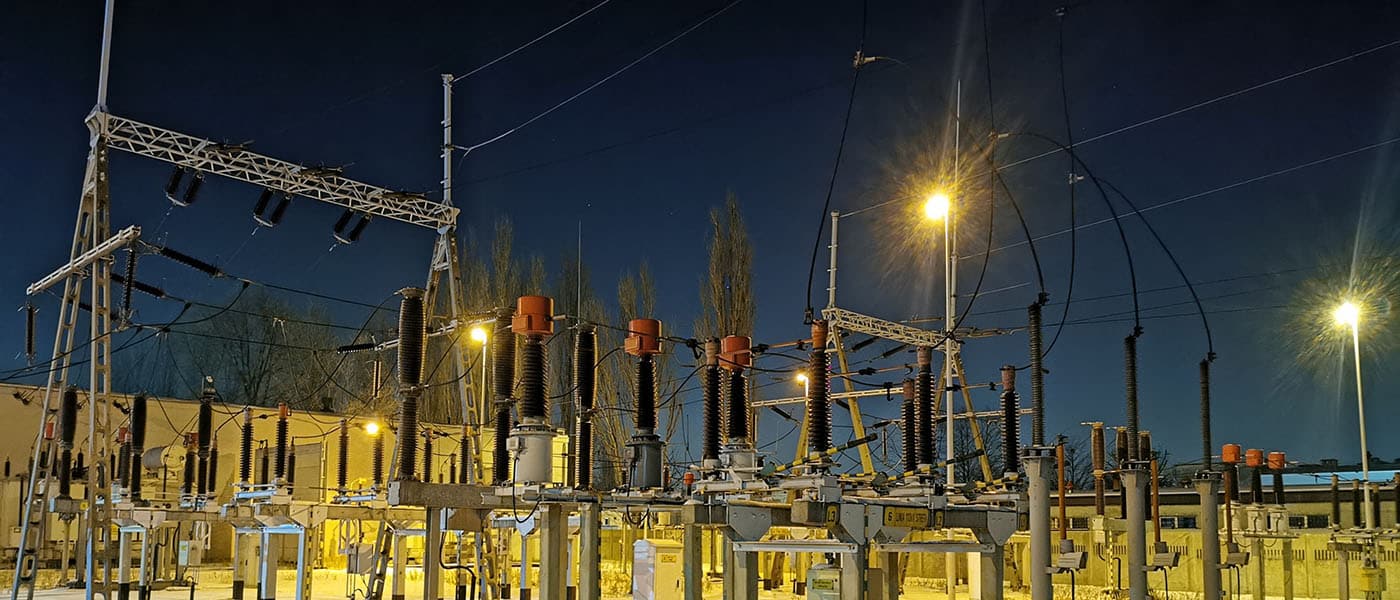
Substation chargers, 110/125/220 VDC systems, distribution boards and SCADA-ready controllers sized for switchgear tripping duty, relay protection and micro-hydro or renewable sites.
Explore industries →
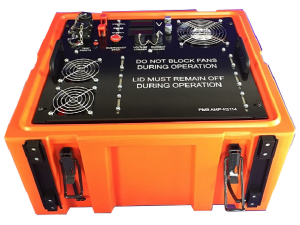
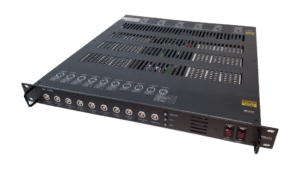
Shock-mounted, EMC-hardened power distribution and portable chargers for land, naval and deployable platforms, including multi-output 1U systems and 3-phase rugged chargers.
Explore industries →Project references from utilities, process industry, emergency services and telecom operators across Australasia, Asia and the Pacific.

Engaged by the electrical protection integrator at design stage, we supplied and factory-tested the DC systems protecting the bark handling process at one of the world’s largest pulp mills.
Read the case studies →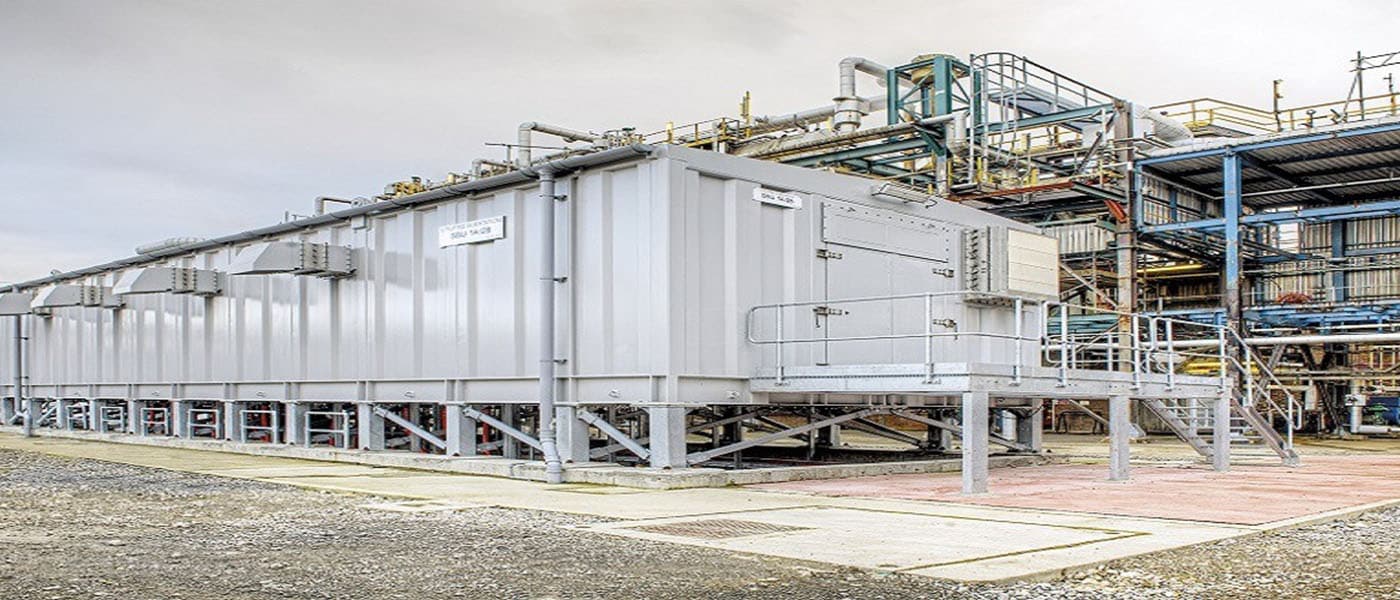
A redundant DC UPS providing tripping and closing energy for medium-voltage switchgear, with monitored battery autonomy and alarm reporting to the site control system.
Read the case studies →
Two float chargers rebuilt turbine lubrication reliability after cyclone damage — specified for tropical ambient, limited maintenance access and long spares availability.
Read the case studies →A practical comparison our application engineers use with consultants and procurement teams during specification review.
| Architecture | Best suited to | Typical output | Key specification traps |
|---|---|---|---|
| DC UPS View range | Remote cabinets, RTUs, radio sites, OEM machines, CCTV and access control | 12 / 24 / 48 VDC, up to several kW | Battery temperature compensation; recharge current versus load current; true no-break changeover |
| Battery charger + distribution View range | Substations, switchgear rooms, process plants, power stations | 24–220 VDC, 10–400 A | Boost/float profile compliance; end-cell voltage window; earth fault and insulation monitoring |
| Modular N+1 DC plant View range | Telecom exchanges, data and control rooms, growth-staged sites | Scalable rectifier shelves with smart controller | Hot-swap redundancy planning; controller protocol mapping; future shelf capacity in the rack |
| DC/AC inverter View range | AC instrumentation or lighting fed from an existing station battery | True sine wave, parallel-capable | Inrush and crest factor of the AC load; DC input voltage window at end of discharge |
| DC/DC converter View range | Voltage adaptation on vehicles, rail, defence platforms and embedded equipment | Isolated / non-isolated, wide input | Transient and surge immunity; isolation requirement; conducted emissions limits |
Alongside our own engineered platforms, we represent global manufacturers — and back every brand with local stock, application support and service.









Not a call centre. You reach engineers who build, test and commission these systems every week.
Design, manufacturing, distribution and field service delivered from hubs in Australia, New Zealand, Singapore and Dubai — with documentation and testing to local standards.
About Our BusinessAn ISO 9001:2015 certified quality system governs design reviews, component traceability, production testing and factory acceptance testing on every engineered system.
ISO 9001:2015 AccreditationMore than half of what we supply is not listed online: legacy replacements, re-rated variants and specials. Send the nameplate data or the specification and we will match it.
Contact Our EngineersSector-specific reference material covering typical load profiles, standards, autonomy expectations and integration requirements — written for engineers and procurement specialists evaluating DC power architecture.
Use these resources alongside our knowledgebase on battery charging methods, AC power quality and power source selection.
A DC UPS combines a rectifier, a battery charging stage and a seamless DC changeover circuit in one enclosure, so the load never sees an interruption when AC mains fails. An industrial battery charger is optimised for the battery — managing float, boost and temperature-compensated charging for large lead-acid, NiCd or lithium banks — and usually feeds a separate DC distribution board. Substations and switchgear rooms typically specify charger + battery + distribution; remote cabinets and OEM machines more often specify an integrated DC UPS.
Yes. More than half of the systems we ship are engineered to a customer specification. Typical work includes voltage and current re-rating, custom alarm and comms mapping (DNP3, Modbus RTU/TCP, SNMP, dry contacts), rugged and shock-mounted enclosures, conformal coating, extended temperature operation and factory acceptance testing witnessed by the client or their consultant. Start with our custom design service.
Our controllers and monitored power systems support DNP3 (serial and TCP outstation), Modbus RTU and Modbus TCP, SNMP traps, plus configurable volt-free alarm contacts for legacy RTUs. Protocol conformance is bench-tested against a DNP3 outstation test set before dispatch, and point lists are supplied with the as-built documentation.
Yes. Regional teams in Australia, New Zealand, Singapore and Dubai provide installation supervision, commissioning, battery capacity testing, preventive maintenance, spares holding and repairs. The Helios Priority programme adds prioritised response and allocated stock for asset owners standardising across multiple sites.
We design for long infrastructure lifecycles. Legacy platforms are supported with spares, drawings and repair services well beyond typical commercial product cycles, and obsolescence notices with drop-in replacement guidance are issued in advance so asset owners can plan capital works.

Adding high-attenuation EMI/EMP filtering to our critical infrastructure portfolio for utility, defence and data applications.
Read the news →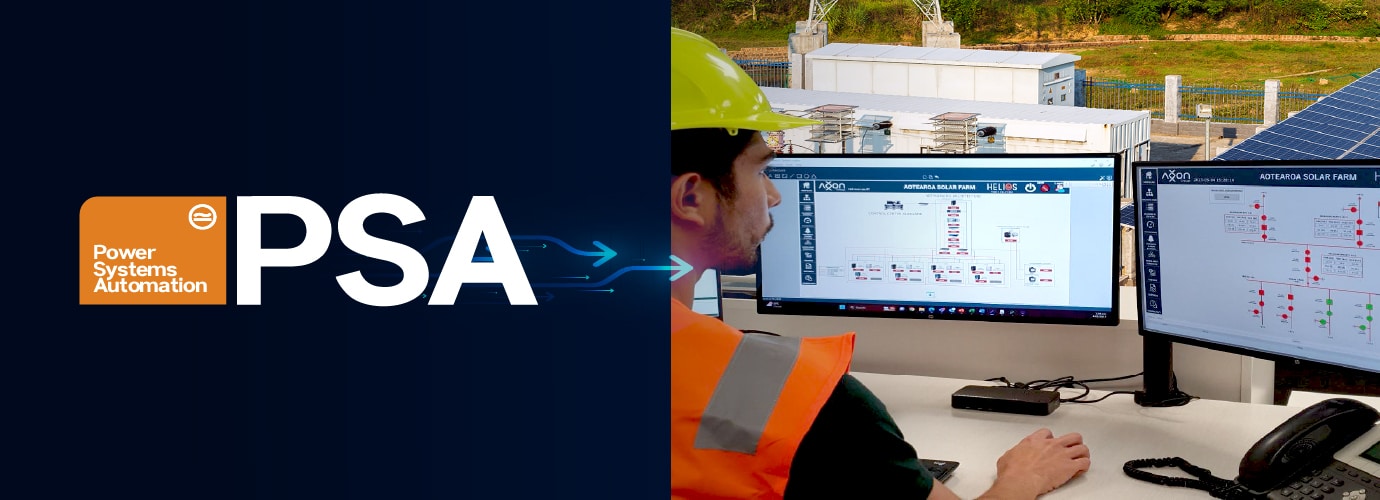
Inside our verification bench — how we prove DNP3 point mapping and event reporting before a power system leaves the factory.
Read the news →
Meet our land mobile radio power specialists and review remote-site DC architectures, autonomy sizing and monitoring options.
Read the news →Voltage, current, autonomy, ambient and comms requirement is all we need to start.