Choosing dependable power equipment is becoming harder as mines, oil fields, and gas facilities operate farther from stable grids. The best systems must start reliably in freezing camps, dusty pits, and humid coastal sites. They must also support heavy pumps, compressors, ventilation fans, drilling rigs, and digital monitoring equipment. This guide examines 10 Best Mining Oil and Gas Power Systems for 2026 through practical performance, not marketing claims alone.
Each Mining Oil & Gas Power Systems option is assessed against fuel efficiency, load response, emissions control, maintenance access, and lifecycle cost. Generator sets, gas turbines, hybrid microgrids, battery storage, and renewable-assisted platforms all serve different operating conditions. A diesel system may offer familiar servicing and strong peak output. A gas-based system may reduce local emissions where fuel supply remains dependable. Battery storage can smooth sudden demand changes, but it still depends on capacity planning and replacement economics.
Field experience matters.
The review considers manufacturer documentation, service networks, warranty terms, recognized safety requirements, and reported operating history. It also asks uncomfortable questions. Can technicians reach the filters during a storm? Does the control system recover after a communications failure? Will spare parts arrive before production stops? No power system is perfect. A promising design may still struggle with weak local support or unclear long-term costs. Readers should verify site conditions, grid rules, fuel availability, and independent engineering advice before making a final decision. Reliability is measured during difficult hours, not during a showroom demonstration.
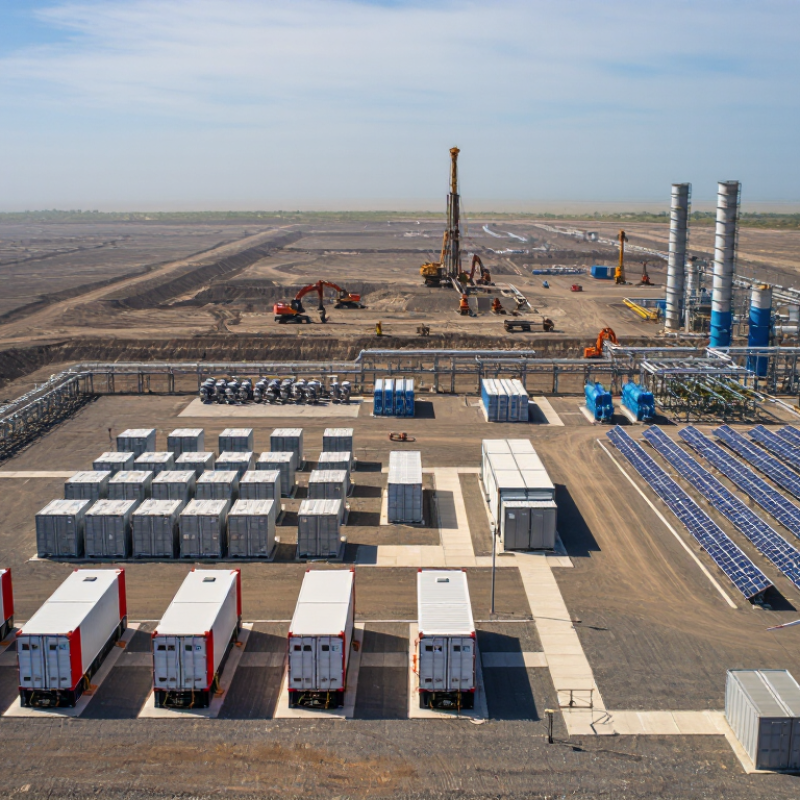
Power Requirements in Mining, Oil, and Gas Operations
Mining, oil, and gas sites need power that survives distance, dust, vibration, and sudden load changes. A crusher may demand high starting current, while pumps and compressors require steady output for long shifts. Remote facilities also depend on power for lighting, ventilation, control rooms, water treatment, and communications.
The strongest 2026 systems will combine high-efficiency generators, battery storage, and renewable sources where site conditions allow. Battery systems can support motor starts and reduce generator cycling. Solar arrays may serve daytime auxiliary loads, while wind can help in exposed regions. However, weather data must guide the design. Dust changes everything. In oil and gas operations, power systems should separate critical and noncritical loads. Emergency shutdown controls, gas detection, fire protection, and communications need independent backup capacity. A practical design usually includes redundancy, automatic transfer equipment, and remote monitoring with clear alarms.
Engineers should calculate peak demand, starting current, harmonic distortion, fuel availability, and future expansion before selecting equipment. Local electrical codes and recognized safety standards must shape installation and maintenance procedures. Field assessments often reveal overlooked details, such as blocked air filters, undersized cables, or batteries exposed to extreme heat. These issues are not dramatic, but they can stop production. A system may look efficient on paper and still fail during a cold start or compressor surge. That is where many plans need honest review. Regular load testing, thermal inspections, fuel checks, and technician training provide more reliability than specifications alone.
Power comes first.
Main Types of Industrial Power Systems
Industrial power systems for mining, oil, and gas sites must survive dust, vibration, heat, and unstable access. The main types serve different operating conditions. Grid-connected systems offer efficient base power where reliable infrastructure exists. Remote sites usually depend on diesel or natural-gas generator sets. Diesel starts quickly, while gas systems can reduce fuel handling and emissions when pipelines are dependable.
Hybrid microgrids combine generators, solar arrays, batteries, and intelligent controls. They can reduce generator runtime during daylight and smooth sudden load changes from crushers, pumps, or drilling equipment. Battery energy storage also supports short interruptions and protects sensitive control equipment. Uninterruptible power supplies remain essential for monitoring, communications, and emergency shutdown systems. Small details matter. Battery temperature, cable routing, and enclosure ventilation often decide whether a design performs well.
Dual-fuel systems provide another practical option for demanding facilities. They can use available gas while retaining liquid fuel as a backup. Combined heat and power systems may improve efficiency where process heat is continuously required. However, every site has weaknesses. A remote mine may lack skilled maintenance staff, while an oil facility may face corrosive air and strict noise limits. I would not select equipment from fuel cost alone. Load profiles, spare-part access, grounding, protection settings, and black-start requirements deserve equal attention. Field measurements should confirm the design, because estimated loads can be surprisingly wrong. A dependable 2026 system is usually layered, testable, and simple enough to repair under pressure.
Criteria for Evaluating Power Systems in 2026
10 Best Mining Oil and Gas Power Systems for 2026
Criteria for Evaluating Power Systems in 2026
A power system should match the site’s real operating profile, not a brochure’s ideal conditions. Measure peak demand, idle periods, motor-starting loads, and seasonal changes. Remote mines and production sites need stable output during dust, heat, freezing weather, and uneven fuel quality. Review efficiency at partial load, because generators rarely operate at full capacity all day. Demand changes quickly.
Safety performance deserves equal attention. Examine shutdown controls, fire protection, ventilation, grounding, and emissions monitoring. Equipment should support applicable electrical, environmental, and occupational safety requirements. Independent testing reports are more useful than unsupported performance claims. Ask for maintenance records, inspection intervals, and documented results from comparable sites.
Resilience also matters. Check whether the system can operate in island mode, recover after faults, and integrate storage or renewable generation. Modular equipment may reduce downtime, but extra controls can increase training demands. Cybersecurity should include access control, software updates, backup procedures, and clear incident response steps. Simple systems are not always safer, and advanced systems are not automatically better. Field technicians should be able to replace critical parts with common tools. Life-cycle cost must include fuel, labor, spares, disposal, and lost production. No scorecard is perfect. A system may achieve excellent efficiency while struggling with local service coverage. Independent engineers should verify those weaknesses before procurement, not after installation.
10 Best Mining Oil and Gas Power Systems for 2026
Criteria for Evaluating Power Systems in 2026
This representative, brand-neutral index evaluates common power-system configurations for remote mining, oil, and gas operations. Scores are normalized from 0 to 100 using practical 2026 criteria: availability, fuel efficiency, emissions performance, dispatchability, fuel flexibility, and renewable-integration potential. Higher scores indicate stronger overall suitability for industrial microgrids.
The values represent typical technology-level benchmarks rather than company-specific performance. Actual results vary with site conditions, fuel quality, operating profile, climate, maintenance strategy, and grid configuration.
Ten Leading Mining, Oil, and Gas Power Systems
Ten Leading Mining, Oil, and Gas Power Systems
In 2026, demanding industrial sites need power systems built for heat, dust, vibration, and remote operation. Ten leading options include diesel generator sets, natural gas engines, dual-fuel units, gas turbines, microturbines, battery storage, solar-diesel hybrids, wind-battery systems, fuel cells, and modular microgrids. Each system solves a different operational problem.
Diesel systems remain practical for isolated mines and emergency loads. Natural gas and dual-fuel systems can reduce fuel costs where pipelines or gas supplies are reliable. Gas turbines suit large oil and gas facilities with steady demand. Battery storage supports peak shaving and smoother generator operation. Renewable hybrids lower fuel use, but weather forecasting and storage sizing require careful engineering. Fuel cells offer quiet, stable output, although their replacement costs can be difficult to predict.
Tips: Check load profiles before selecting equipment. Measure starting currents from crushers, pumps, and compressors. Protect control cabinets from fine dust and salt air. Keep spare filters, cables, and sensors onsite. Test black-start procedures under realistic conditions. A system may look efficient on paper, yet fail during a cold restart or sudden motor surge. That uncomfortable gap deserves attention. Operators should document maintenance hours, fuel quality, battery temperature, and unplanned shutdowns. Independent inspections and verified performance data improve reliability, especially when equipment operates far from technical support.
Safety, Efficiency, and Sustainability Considerations
In remote mines, offshore platforms, and gas-processing sites, power systems face heat, dust, vibration, salt, and sudden load changes. These conditions should shape the 10 best choices for 2026. Safety begins with enclosed switchgear, reliable grounding, emergency shutdowns, and clearly tested protection relays. Arc-flash studies can reduce injury risks, but only when workers understand the findings. Practical training matters as much as technical design. Dust wins eventually. Filters, cable seals, ventilation, and inspection schedules need attention from day one. Systems should also align with applicable electrical codes, occupational safety rules, and environmental permits.
Efficiency depends on matching generation to actual demand. Variable-speed generators, battery storage, and intelligent load controls can limit fuel waste during low-production periods. Heat recovery may support water treatment, workshops, or accommodation facilities. Lower emissions matter, especially near workers and sensitive ecosystems. Hybrid systems can reduce diesel use, although batteries still require careful thermal management and recycling plans. Renewable inputs may help, but weather variability demands dependable backup capacity. A system that looks sustainable on paper may fail during a dust storm or extended cloud cover. That weakness deserves honest testing. Operators should track fuel consumption, unplanned downtime, emissions, noise, and near-miss events. Maintenance is not glamorous. Yet detailed records reveal whether a power system is truly safe, efficient, and sustainable.
FAQS
Measure peak demand, idle periods, motor-starting loads, and seasonal changes. Brochures are not enough.
Generators rarely operate at full capacity all day. Poor partial-load performance can waste fuel during quiet shifts.
Test performance during heat, dust, freezing weather, vibration, salt exposure, and uneven fuel quality. Dust wins eventually.
Check emergency shutdowns, enclosed switchgear, grounding, fire protection, ventilation, and tested protection relays.
Variable-speed generation, battery storage, and intelligent load controls can match output with changing demand.
No. Batteries need thermal management and recycling plans. Renewable power still needs dependable backup during storms or cloudy periods.
Use access controls, software updates, backup procedures, and clear incident-response steps. Simple systems are not automatically safer.
Request maintenance records, inspection intervals, spare-parts plans, and results from comparable sites. Missing records deserve suspicion.
Check island-mode operation, fault recovery, storage integration, and renewable coordination. Recovery may look easy on paper.
Include fuel, labor, spare parts, disposal, training, downtime, and lost production. Efficiency alone can mislead.
Conclusion
Mining Oil & Gas Power Systems are essential to maintaining reliable, safe, and continuous operations in demanding industrial environments. This article examines the power requirements of mining, oil, and gas facilities, including heavy machinery, processing equipment, remote work sites, and emergency operations. It also introduces major industrial power system types, such as engine-driven generation, hybrid systems, renewable-supported solutions, energy storage, and microgrids.
The article presents ten leading power system approaches for 2026 and explains how to evaluate them according to reliability, fuel efficiency, scalability, operating cost, environmental performance, and ease of maintenance. Special attention is given to safety, emissions reduction, energy management, and sustainability. By comparing these factors, operators can identify power solutions that improve productivity, support remote and complex operations, reduce downtime, and meet evolving environmental and regulatory expectations without compromising dependable performance.